Iranian Cultural Days at the European School
From February 2nd to 6th, the European School in Armenia organized Iranian Cultural Days in solidarity with Iranian-Armenian families, remaining true to its principles of humanism, peace, and solidarity. The entire school community was involved in the initiative, including numerous Iranian-Armenian students studying at the school. Throughout the event, participants were introduced to various expressions of Iranian culture, including its history, daily life, and customs, as well as its cuisine, literature, and music.
The goal of the cultural days was not just to create a “week-long celebration,” but to address important educational and value-based objectives: to introduce students to the cultural heritage of Iran through accessible, engaging formats appropriate for their age, to develop an appreciation for cultural diversity, to promote mutual respect, and to strengthen school-family cooperation.
Music
The launch of the cultural days was marked by events dedicated to Iranian classical and folk music. Students learned about the history and structure of musical instruments and learned Iranian children’s songs.
A concert-seminar was held for 3rd and 4th-grade students with the participation of pupils from the B. Kanachyan Music School. Instruments such as the santur, kamancheh, oud, tar, and qanun were presented. The event concluded with a joint sing-along as a symbolic moment of Armenian-Iranian cultural cooperation.
Cuisine
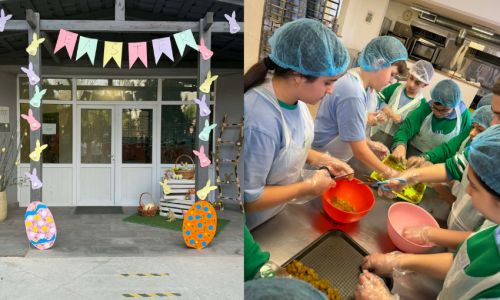
On February 3rd, a presentation and tasting of traditional Iranian dishes were held in the school cafeteria. The focus was on familiarizing students with Iran’s national cuisine and strengthening the bond between school and family. In the morning, dishes were received and arranged with brief presentations and name tags so that the children could identify the food types during the tasting.
The tasting was organized during lunch hour with great enthusiasm; students discovered new flavors and understood the cultural significance of the cuisine. Iranian-Armenian parents participated actively, bringing traditional dishes and presenting their ingredients, which created a warm, communal atmosphere.
History and Geography
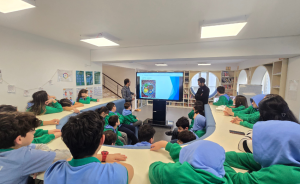
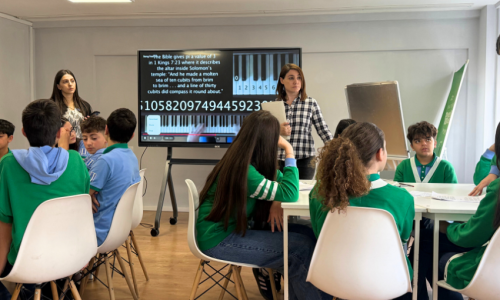
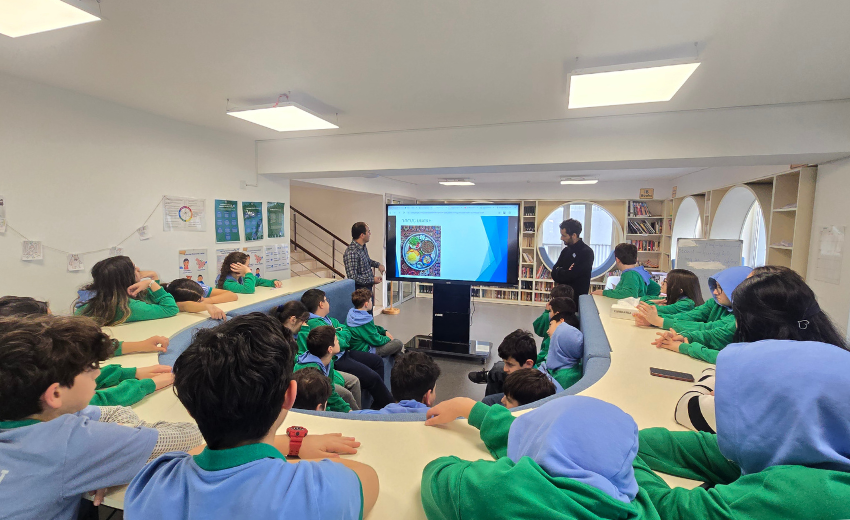
On February 4th, students participated in lectures and visual presentations on the history and geography of Iran. Through maps, images, and videos, the cultural heritage of Iran was showcased, alongside the historical ties between Armenia and Iran.
Literature and Language
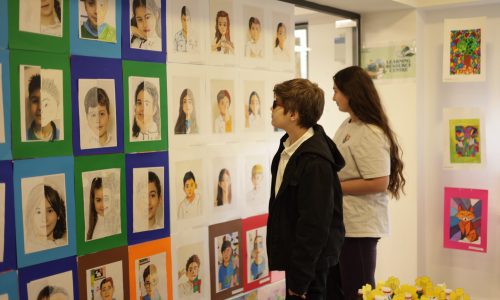
One of the key directions was an initiative dedicated to Iranian literature and language. An “Iranian Literature Corner” was created in the school, featuring an exhibition of books translated into Armenian.
On February 5th, the initiative received special emphasis: during breaks, short excerpts of Iranian poetry were broadcast over the school intercom, featuring recordings of students, teachers, and parents.
As part of the literary week, readings of Persian folk tales were integrated into native language classes, followed by discussions and comparisons with Armenian fairy tales. A separate project focused on studying Persian loanwords in the Armenian language. Working groups were formed where students collected words and prepared slides. Students proficient in Persian acted as “student-teachers,” explaining words to their classmates.
Visits
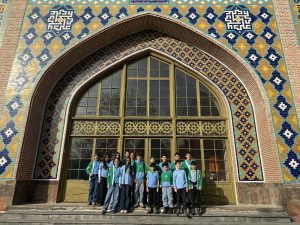
On February 5th, the cultural days expanded beyond the school walls. An educational excursion to the Blue Mosque in Yerevan was organized for 8th graders, accompanied by a professional guide and translators. The visit aimed to present the history and architectural features of the mosque and discover Iranian cultural and religious heritage in Armenia.
On the same day, 7th-grade students visited the Iranian Cultural Center to learn about modern Iranian cultural life, traditions, and forms of Armenian-Iranian cultural cooperation.
Open Discussions
Meetings with representatives of Iranian culture played a vital role in the concluding phase for 8th and 9th-grade students. The Q&A and experience-sharing format fostered a cultural dialogue where students could not only listen but also ask questions, compare, and formulate their perspectives on the multilayered culture of a neighboring country.
A Week That Became a Lasting Memory
The Iranian Cultural Days held from February 2nd to 6th created a strong environment of cooperation, discovery, and mutual respect at the European School. The variety of activities—from music to literature, history to cuisine, and classroom work to excursions—showed that cultural education can be profound, organized, and inspiring. The primary message was clear: building bridges of peace and humanism with neighbors begins at school—through shared experiences, singing, reading, and asking questions together.
The event reflected several key attributes of the IB Learner Profile:
- Open-Minded – Appreciate their own cultures and personal histories, as well as the values and traditions of others; seek and evaluate a range of points of view, and are willing to grow from the experience.
- Knowledgeable – Explore concepts, ideas, and issues across a range of disciplines, engaging with significant local and global topics.
- Communicators – Express ideas confidently and creatively in multiple languages and through various modes of communication; collaborate effectively, listening carefully to the perspectives of other individuals and groups.
- Caring – Show empathy, compassion, and respect; have a commitment to service, and act to make a positive difference in the lives of others and in the world around them.