Nurturing Universal Values: Celebrating Diversity through Maslenitsa
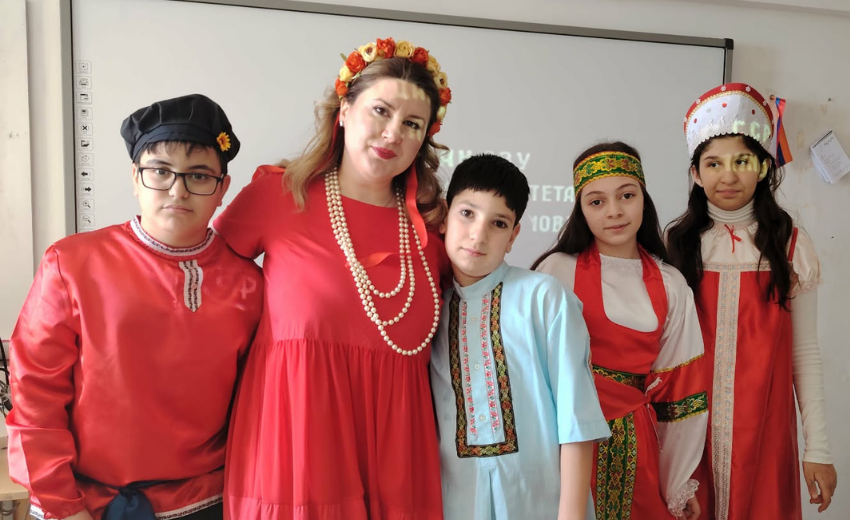
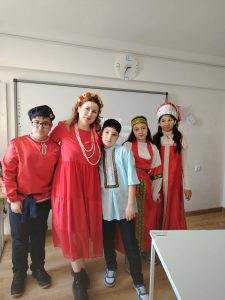
In our pursuit of developing global citizens, our learning community recently embarked on a vibrant journey of cultural exploration. Under the theme of “Nurturing Universal Values,” our Primary Language Learners (PLLs) took center stage in organizing and leading the celebration of Maslenitsa—a traditional festival symbolizing renewal, togetherness, and gratitude.
Student Agency and Leadership
At the heart of the IB philosophy is the belief that students should be the architects of their own learning. This celebration was a profound demonstration of student agency, as it was:
PLL-Initiated: Driven by student curiosity and interest.
Student-Led: Managed by learners who took ownership of the proceedings.
Organized Participation: Executed through collaborative planning and cultural advocacy.
By empowering our learners to lead, we transition from passive observation to active engagement, allowing them to advocate for cultural appreciation within our school walls.
A Celebration of International-Mindedness
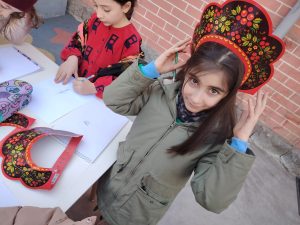
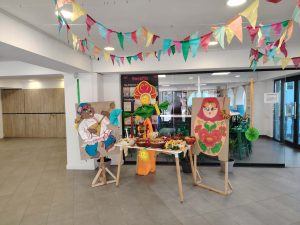
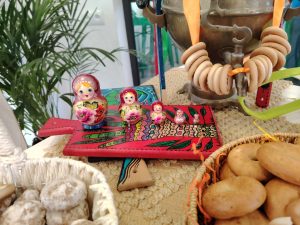
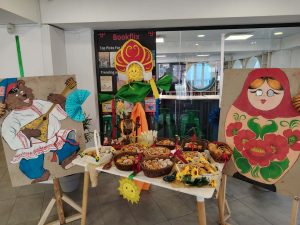
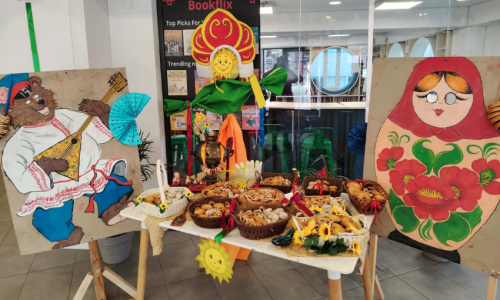
The Maslenitsa festival served as a bridge between local traditions and global perspectives. Through various medium of expression, students explored the richness of heritage:
Component
Skill & Value Development
Performances & Storytelling
Developing Communication skills and sharing ancestral narratives.
Culinary Sharing
Exploring the sensory aspects of culture and the value of hospitality.
Creative Displays
Using Creativity to visualize themes of renewal and spring.
Through these activities, PLLs did more than just learn about a festival; they reflected on the similarities and differencesamong global cultures. This comparative approach is essential for fostering a deep sense of empathy and breaking down cultural barriers.
The event reflected several key attributes of the IB Learner Profile:
Knowledgeable – Explore concepts, ideas, and issues across a range of disciplines, engaging with significant local and global topics.
Communicators – Express ideas confidently and creatively in multiple languages and through various modes of communication; collaborate effectively, listening carefully to the perspectives of other individuals and groups.
Open-Minded – Appreciate their own cultures and personal histories, as well as the values and traditions of others; seek and evaluate a range of points of view, and are willing to grow from the experience.
Caring – Show empathy, compassion, and respect; have a commitment to service, and act to make a positive difference in the lives of others and in the world around them.
Reflective – Thoughtfully consider the world and their own ideas and experience; work to understand their strengths and weaknesses in order to support their learning and personal development.