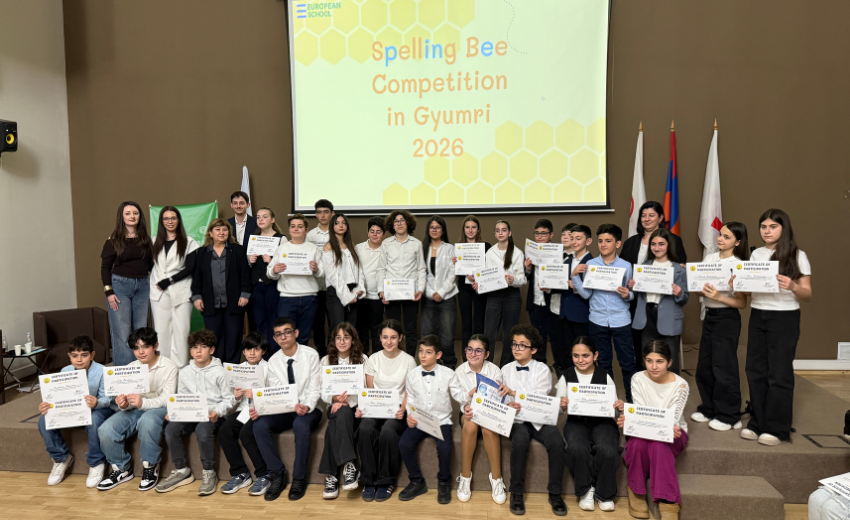
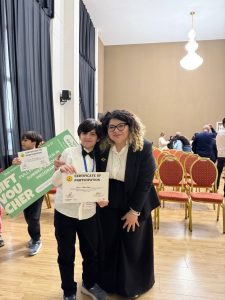
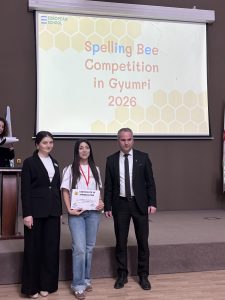
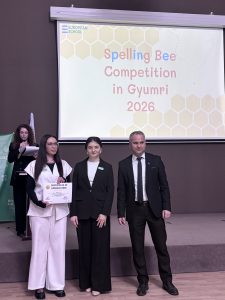
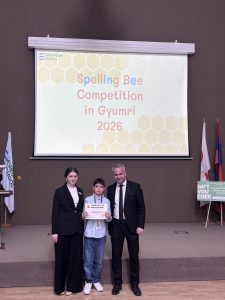
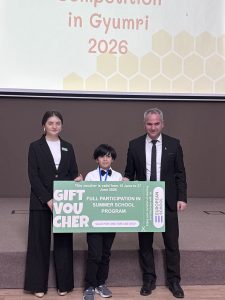
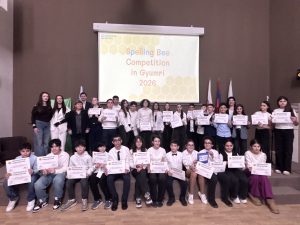
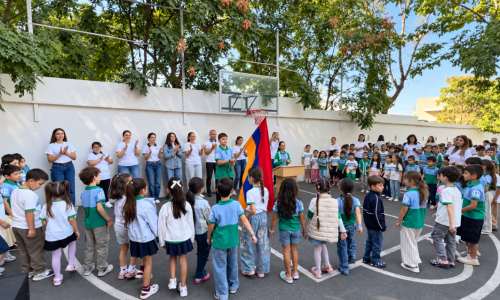
In the IB framework, language is far more than a subject; it is a fundamental tool for inquiry, expression, and understanding. Recently, our Primary Years Learners (PLLs) engaged in a Spelling Bee competition, a challenging initiative designed to celebrate the power of words across all disciplines.
Building Approaches to Learning (ATL) Skills The Spelling Bee served as a dynamic platform for students to refine essential skills:
Communication: Enhancing listening precision and articulate expression.
Critical Thinking: Analyzing phonetic patterns and linguistic structures under pressure.
Self-Management: Developing the discipline to prepare and the resilience to perform in a high-stakes environment.
Confidence and Risk-Taking A core objective of this event was to foster academic confidence. In a supportive yet competitive atmosphere, PLLs were encouraged to take intellectual risks. By standing on stage and tackling complex vocabulary, students transformed language from a classroom requirement into a bridge connecting all areas of learning. This experience reinforces our commitment to developing principled and courageous communicators who see language as a creative tool for global inquiry.
The event reflected several key attributes of the IB Learner Profile:
Inquirers – Nurture curiosity and develop skills for inquiry and research, fostering a lifelong love of learning.
Knowledgeable – Explore concepts, ideas, and issues across a range of disciplines, engaging with significant local and global topics.
Thinkers – Apply critical and creative thinking skills to analyze problems and make reasoned, ethical decisions.
Communicators – Express ideas confidently and creatively in multiple languages and through various modes of communication; collaborate effectively, listening carefully to the perspectives of other individuals and groups.
Open-Minded – Appreciate their own cultures and personal histories, as well as the values and traditions of others; seek and evaluate a range of points of view, and are willing to grow from the experience.
Reflective – Thoughtfully consider the world and their own ideas and experience; work to understand their strengths and weaknesses in order to support their learning and personal development.