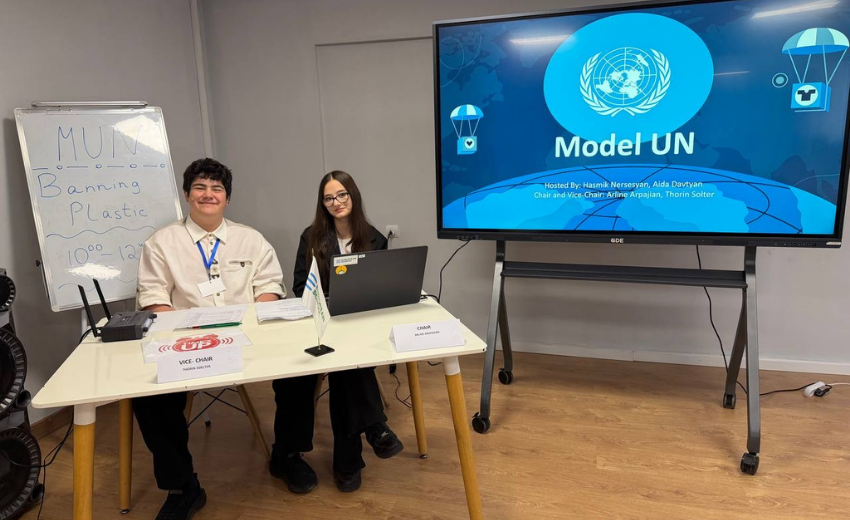
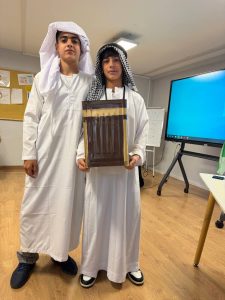
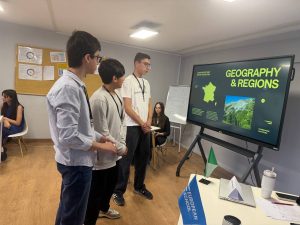
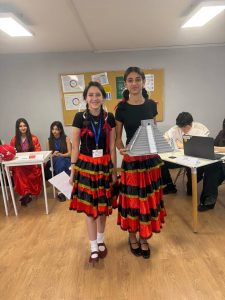
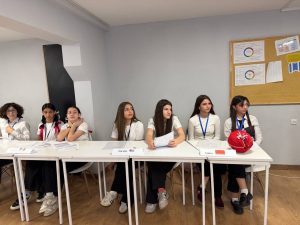
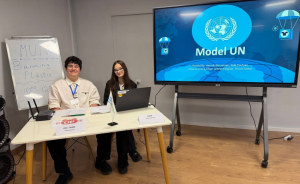
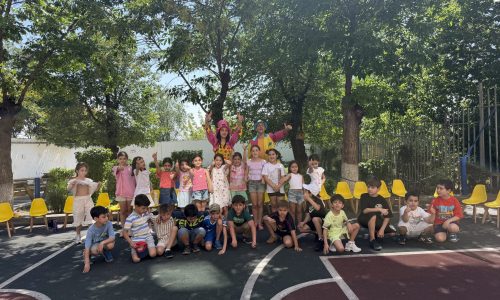
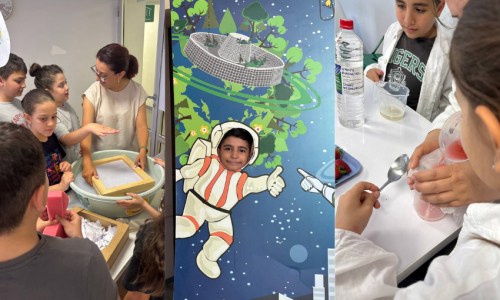
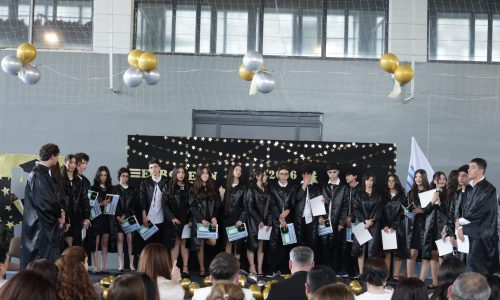
On April 30, 2026, Grade 8 students engaged in a simulation of the Model United Nations (MUN), a cornerstone event designed to bridge classroom learning with international diplomacy. This interdisciplinary initiative challenged students to step into the roles of delegates, representing diverse nations to address complex global challenges.
Inquiry and Research
The preparation phase required students to utilize advanced digital research skills. Delegates were tasked with investigating two primary dimensions of their assigned countries:
Cultural Identity: A comprehensive exploration of national heritage, including architecture, traditional attire, music, and folk songs.
Sustainability & Policy: An analytical deep dive into the global initiative to ban single-use plastics, evaluating how such measures contribute to a sustainable future.
The Assembly and Presentation
During the formal assembly, students transitioned from researchers to diplomats. The event served as a platform for teams to showcase their findings through formal presentations and persuasive speech. Evaluation was based on a rigorous set of criteria:
Quality of Research: Depth and accuracy of country-specific data.
Negotiation Skills: The ability to collaborate and find common ground with other “nations.”
Cultural Presentation: The creativity and authenticity used to represent their country’s soul.
Extemporaneous Speaking: The ability to respond to questions and navigate debates “on the spot.”
Educational Significance
The Model United Nations is far more than a simulation; it is a global practice that cultivates an understanding of international relations, human rights, and systemic global issues. For English Language Learners, the event provides a high-stakes environment to refine academic vocabulary and public speaking confidence.
Through this experience, students embodied several key IB Learner Profile attributes and skills:
Knowledgeable – Explore concepts, ideas, and issues across a range of disciplines, engaging with significant local and global topics.
Open-Minded – Appreciate their own cultures and personal histories, as well as the values and traditions of others; seek and evaluate a range of points of view, and are willing to grow from the experience.
Communicators – Express ideas confidently and creatively in multiple languages and through various modes of communication; collaborate effectively, listening carefully to the perspectives of other individuals and groups.
Reflective – Thoughtfully consider the world and their own ideas and experience; work to understand their strengths and weaknesses in order to support their learning and personal development.